What makes fiber internet tick? One key component is the ONT (Optical Network Terminal) - the unsung hero of your fiber connection.
TL;DR
- An ONT (Optical Network Terminal) is the device that converts the light signals traveling through fiber optic cables into data your home devices can use, making it the bridge between your ISP's network and your home network
- It works as part of a team rather than alone: the ONT brings the fiber connection in, while a router you plug into its Ethernet port distributes that connection across your devices.
- Because one ONT can handle internet, phone, and TV and have its firmware updated for faster speeds, it helps keep your fiber setup reliable and ready for future upgrades.
Nowadays, as online demands grow, more people are leveraging cutting-edge fiber internet to stay connected. A recent market research study predicted that fiber will power 59% of broadband connections worldwide by the end of 2025 – that’s 11% more than current fiber subscription numbers!
In this blog, we'll explain what an ONT is, why it matters, and how it's revolutionizing home internet.
What Is An Optical Network Terminal (ONT) ?
ONT stands for Optical Network Terminal. An ONT is a device that translates light signals sent through fiber optic cables into data that your devices can understand and use. It is the connection point between your Internet Service Provider's (ISP) network and your home network.
An ONT device is critical in a fiber-to-the-premises (FTTP) or fiber-to-the-home (FTTH) setup. It is also sometimes referred to as an "ONT box" or "fiber box."
What Does an ONT Do? Key Functions Explained
Here's a quick breakdown of what an ONT does:
Signal Conversion
The ONT receives light signals from the fiber network and converts them into electrical signals.
Connection Point
It serves as the meeting point between your internet service provider's network and your home network.
Service Distribution
The ONT can distribute various services, including internet, phone, and sometimes TV, to different devices in your home.
How Does An ONT Work?
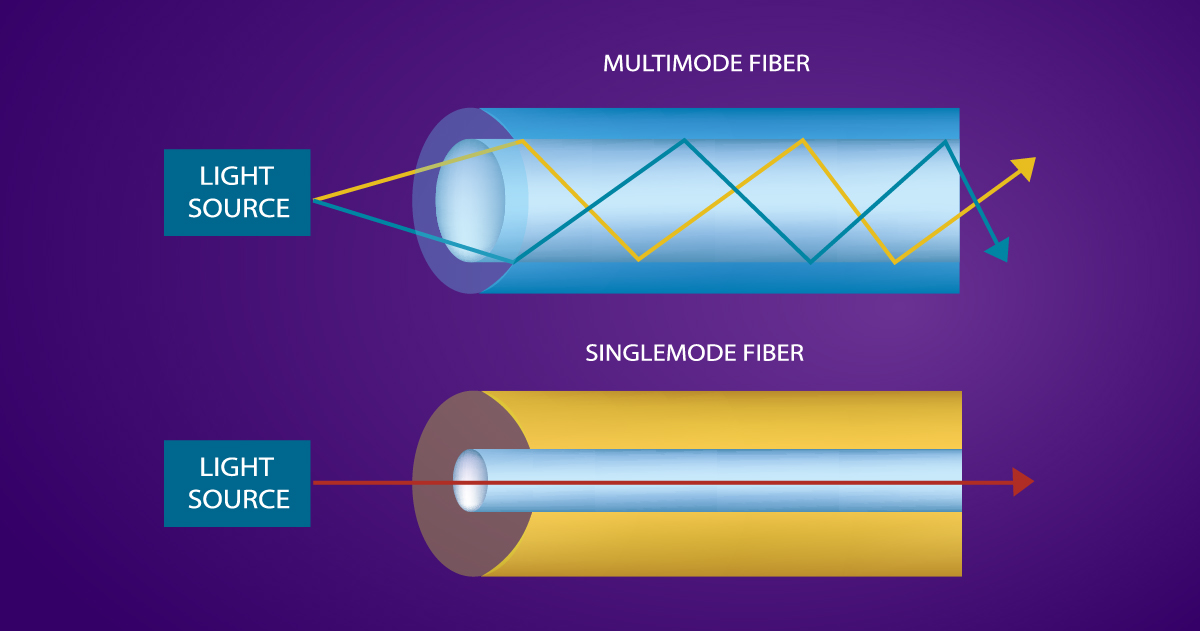
When data is transmitted over a fiber optic network, it travels as light signals through the fiber cables. Devices like computers, phones, and televisions can't directly interpret light signals, so the ONT receives these signals and converts them into electrical data that your network-connected devices can use.
What Does an ONT Look Like? Key Components Explained
An ONT (Optical Network Terminal) typically looks like a small, rectangular box—usually white or black—with several ports and indicator lights on the front or side. It’s designed to sit on a shelf, mount to a wall, or rest near your internet entry point. While it may resemble a modem or router, its purpose is unique to fiber connections. On the outside, you’ll see input ports for fiber and Ethernet, as well as LED lights that show power and connection status.
An ONT isn't just a simple box – it's packed with sophisticated technology. Here are some components you might find in a typical ONT:
Fiber Input
This is where the fiber optic cable from your internet service provider connects to the ONT.
Ethernet Ports
These allow you to connect your router or devices directly to the ONT for internet access.
Phone Ports
If you have landline service through your fiber provider, these ports let you connect your phone.
Coaxial Ports
Some ONTs include this for TV service, though many modern fiber setups use IPTV instead.
Power Supply
This keeps all the ONT’s important components powered and running smoothly.
Status Indicators
These are LEDs that show the status of your connection and help with troubleshooting.
Why Are ONTs Important?
The ONT plays a crucial role in the overall performance and efficiency of a fiber network. Here’s why it’s important:
High-Speed Internet
ONTs help maintain the ultra-fast speeds fiber is known for by efficiently converting light signals to electrical ones. The ONT's advanced technology ensures that the high speeds traveling through the fiber optic cables are translated into equally impressive speeds for your home network. This means smoother streaming, faster downloads, and lag-free online gaming experiences.
Reliable Connections
Fiber internet is inherently more reliable than traditional copper-based internet, and the ONT helps maintain this reliability right up to your devices. Unlike traditional copper cables, fiber optic cables are immune to electromagnetic interference (EMI) and less susceptible to environmental factors like temperature fluctuations. The ONT preserves this reliability by providing a stable, consistent connection that's crucial for activities like remote work, online learning, and telemedicine.
[Fiber optics are immune to EMI and less susceptible to environmental factors than copper cables.]
Future-Proof Infrastructure
When your service provider rolls out faster speeds or new features, it's often possible to update your ONT's firmware or replace it with a newer model without any major changes to your home's infrastructure. This future-proofing aspect ensures that your fiber internet investment continues to pay off for years to come.
Service Integration
Many ONTs can handle multiple services (internet, phone, and TV) through a single device, simplifying your home network setup. Instead of dealing with multiple devices for different services, you have a single point of contact for your fiber-based services. This not only saves space but also makes it easier to manage your home network and quickly identify any issues that may arise.
Types Of ONT Devices
ONT devices come in various forms, tailored to different installation needs and setups. Some common types you might encounter include:
Residential ONT
Residential ONTs are designed for use in homes. They’re compact devices with multiple ports for connecting to devices like routers, phones, and TV services. These ONTs are easy to install and provide all the necessary interfaces for your home internet and entertainment needs.
Business ONT
Built for offices and industrial spaces, business ONTs are more powerful than their in-home counterparts. They can handle higher data loads and more simultaneous connections, and they typically include advanced security features, support for multiple users, and easy integration with enterprise network systems.
OLT vs ONT: What's the Difference?
While the ONT (Optical Network Terminal) is the device installed at your home or office, the OLT (Optical Line Terminal) is located at the service provider’s central office or data center. The OLT serves as the central hub of the fiber network, managing multiple ONTs through a Passive Optical Network (PON). It sends data downstream to each ONT, which then converts the light signals into internet, phone, or TV services that your devices can use.
ONT Installation: What to Expect Step-by-Step
While we always recommend professional installation for your ONT, here's a look into what the process typically involves:
- Site Survey: A technician will assess the best location for your ONT, considering factors like proximity to power outlets and your existing network setup.
- Cable Installation: If not already present, a fiber cable will be run from the nearest access point to your home.
- ONT Mounting: The tech will securely mount your ONT in the chosen location.
- Connections: They’ll connect the fiber cable to the ONT and set up any additional connections (Ethernet, phone, etc.) as needed.
- Power Up: The ONT is powered on and initialized.
- Configuration: The tech will configure the ONT to work with your service provider's network and your home setup.
- Testing: Finally, they'll run tests to ensure everything is working correctly and at the speeds you're paying for.
Troubleshooting Common ONT Issues
While ONTs are generally reliable, hiccups can happen in networking. Here are some common issues and quick fixes:
No Connection
If there is no connection, check that the ONT is properly powered and that all cables are securely connected. Restarting the ONT and your router can also help resolve connection issues.
Slow Internet Speeds
Slow internet speeds can be frustrating. If you're experiencing lag, the first step is to run a speed test to confirm the issue. If the speeds are lower than what you're paying for, check if the other devices connected to your network are using a lot of bandwidth. Background downloads, video streaming, or large file syncing can all impact your speeds.
If the issue continues, reach out to your service provider to make sure there are no network issues in your area. They can run remote diagnostics on your ONT and check for any service outages or maintenance that might be affecting your speeds.
Frequent Disconnections
Frequent disconnections can be caused by loose cables, outdated firmware, or issues with the service provider's network. Make sure the cable connections on your ONT and router are tight, and contact your provider to check for any network outages or necessary updates.
Boost Your Fiber Network Experience With Fatbeam
The optical network terminal might not be the most glamorous part of your home network, but it's undoubtedly one of the most important. For homeowners, understanding the role of the ONT can help maximize your internet experience – especially if you rely on your home internet connection for work, education, and entertainment.
At Fatbeam Fiber, we're committed to bringing the power of fiber internet (and the ONTs that make it possible) to homes across our service area. Our Fiber to the Home services offer speeds up to 2 Gbps, with rock-solid reliability backed by our 99.99% uptime guarantee and local, responsive technicians. With no contracts, data caps, or installation fees, we make it as easy and affordable as possible for you to get started with fiber.
Ready to experience the difference that fiber internet can make in your home? Contact us today! Our team of experts is standing by to answer your questions and help you get the lightning-fast, reliable internet connection you deserve.
Optical Network Terminal (ONT) FAQs
What is an ONT in a fiber internet connection?
An ONT, or Optical Network Terminal, is the device that turns the light signals carried by fiber optic cables into data your devices can actually use. It sits at the point where your internet service provider's network meets your home network, acting as the bridge between the two. You'll find one in any fiber-to-the-premises (FTTP) or fiber-to-the-home (FTTH) setup. Some people call it an "ONT box" or "fiber box," but the job is the same: it's what makes your fiber connection usable inside your home.
What's the difference between an ONT and a router?
They do two different jobs. The ONT converts the incoming fiber light signal into electrical data, terminating your fiber connection at the home. A router then takes that connection and shares it across your devices, wired or over Wi-Fi. You typically plug your router into one of the ONT's Ethernet ports, so the two work as a pair rather than as replacements for each other. An ONT can look similar to a router or modem, but its signal-conversion role is specific to fiber networks.
What's the difference between an OLT and an ONT?
Location and role. The ONT is the device installed at your home or office. The OLT, or Optical Line Terminal, lives at your service provider's central office or data center. The OLT is the central hub of the fiber network: it manages many ONTs at once through a Passive Optical Network (PON) and sends data downstream to each one. Your ONT receives those light signals and converts them into the internet, phone, or TV services your devices can use. One sits with you; the other sits with your provider.
Where is an ONT installed in your home or office?
Usually near the point where the fiber cable enters your building. An ONT is designed to sit on a shelf, mount to a wall, or rest close to your internet entry point, so common spots include a utility closet, basement, garage, or an interior wall. During installation, the technician runs a site survey to pick the best location, factoring in proximity to a power outlet and your existing network setup. The goal is a stable, practical spot that connects cleanly to your router.
Does an ONT need to be plugged into a power outlet?
Yes. An ONT is an active device with its own power supply that keeps its internal components running, so it has to stay connected to electricity to do its job. That's also why power is one of the first things to check when troubleshooting: if your connection drops, confirm the ONT is properly powered and that its cables are secure before anything else. Keeping it in a spot with easy access to an outlet matters when your technician chooses where to install it.
What are the main types of optical network terminals?
ONTs generally split into two categories based on where they're used. Residential ONTs are compact units built for homes, with the ports you need to connect routers, phones, and TV services, and they're straightforward to install. Business ONTs are more powerful, designed for offices and industrial spaces that push higher data loads and more simultaneous connections. They often add advanced security features, support for multiple users, and easier integration with enterprise network systems. The right one depends on whether you're connecting a household or a workplace.
What does an ONT look like and what ports does it have?
An ONT is typically a small rectangular box, usually white or black, with several ports and indicator lights on the front or side. On the outside you'll see a fiber input where your provider's cable connects, plus Ethernet ports for linking your router or devices. Some models also include phone ports for landline service and coaxial ports for TV, though many fiber setups now use IPTV instead. LED status lights round it out, showing power and connection status and helping you spot issues quickly.
How do I fix common ONT connection problems at home?
Start with the basics. If you have no connection, check that the ONT is powered and every cable is seated firmly, then restart both the ONT and your router. For slow speeds, run a speed test, and if you're below your plan, see whether other devices are eating bandwidth through downloads, streaming, or large file syncs. Frequent disconnections often trace back to loose cables, outdated firmware, or an issue on the provider's side. If problems persist, contact your provider so they can run remote diagnostics and check for outages.